Jim Baldridge
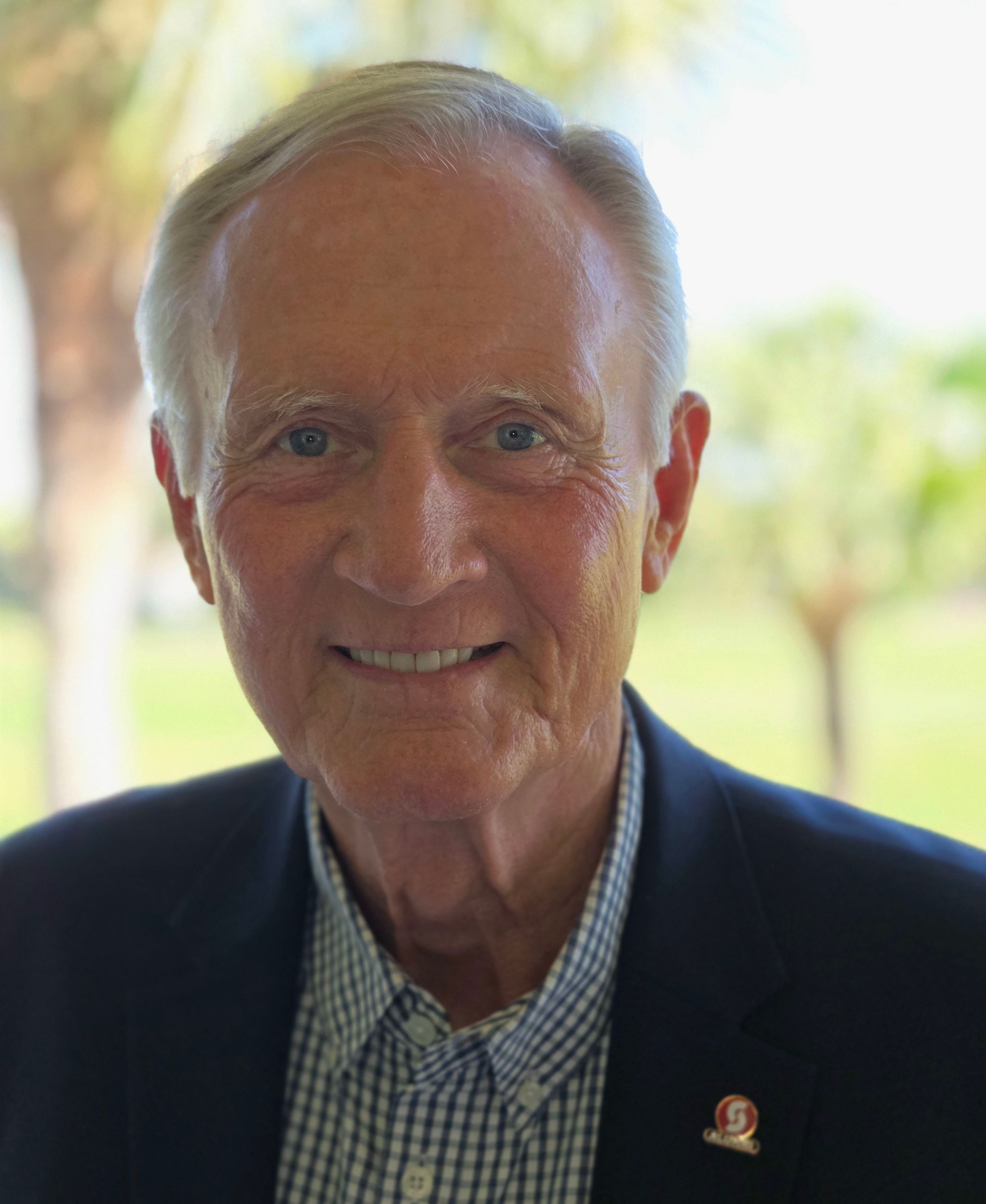 Can you tell us a little about yourself, including when you attended Sinclair, the program you were in, your current workplace (if you feel comfortable sharing) and your current role?
I'm an old retired guy now, but in 1970 Sinclair was my lifeline to higher education and a much better life.
What inspired you to pursue your career path, and how did Sinclair help you get there?
I was just out of the Army and newly married. Since childhood I had wanted to work in television news, but I needed a college degree to do that. And I didn’t have the money.
How would you describe the impact Sinclair had on your life, both in and out of the classroom?
Sinclair was there for me. I attended part time and worked full time. I grew intellectually and culturally through the study of economics, art, political science, and more. I remember thinking Sinclair was a buffet for the brain.
How has your definition of success changed from when you were a Sinclair student to now?
My Sinclair professors helped me understand that there's more to success than getting a degree and a job. Most had real world experience. All were willing to counsel and guide me.
I graduated from Sinclair about the time I landed a job as a reporter at WHIO TV. With my Associate’s degree in hand, I enrolled at Wright State University (part time again). Eventually, I achieved a Bachelor’s degree there.
As my education progressed, my job at WHIO got bigger. I retired after thirty-seven years as a reporter and primary news anchor. I saw a lot of the world and earned a nice retirement.
I had a lot of luck, but I also had the education needed to make most of it.
What is one piece of advice that you would give to current Sinclair students?
My advice to Sinclair students: don’t give up. Attend part time if you must but keep at it. You can get the education you need, or at least a solid start on it, here at Sinclair.